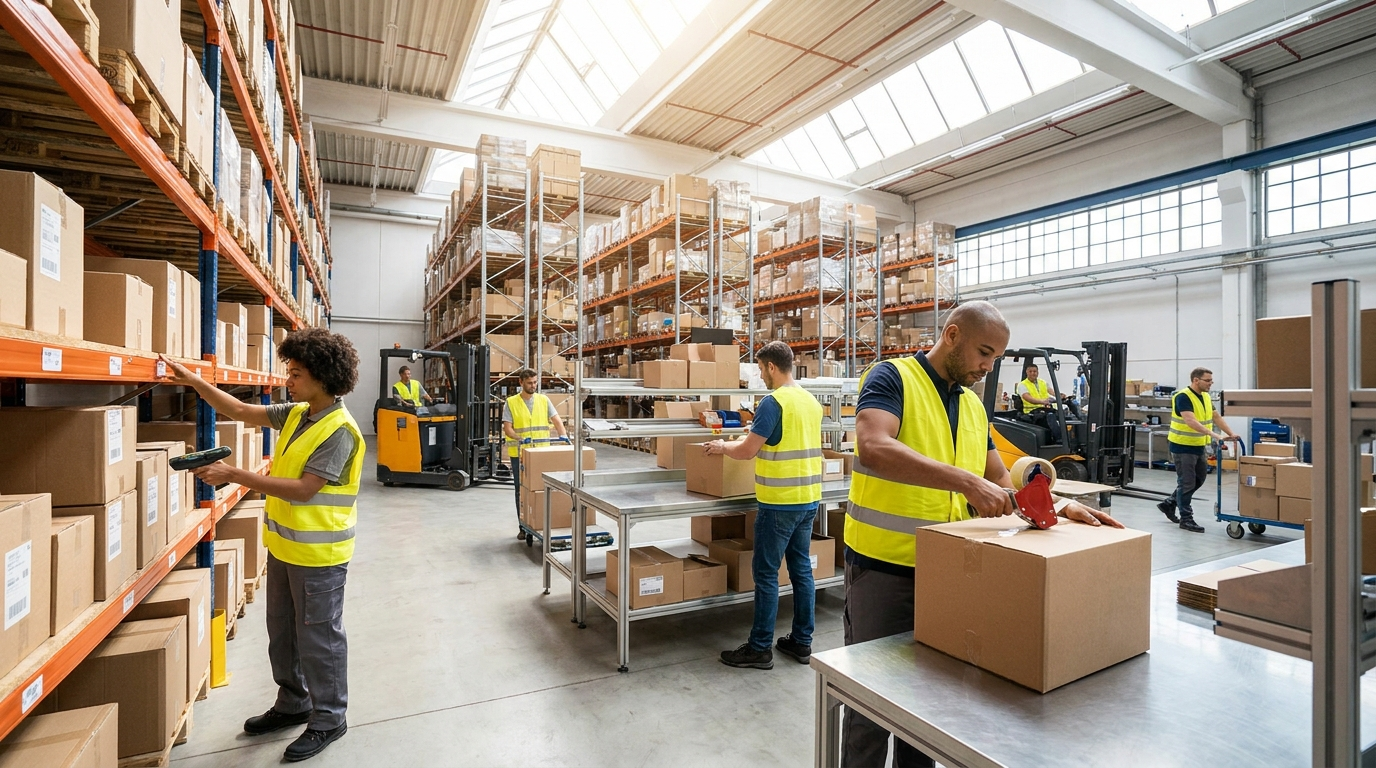
If you sell products online, you already know that getting an order from a customer's cart to their doorstep involves a lot of moving parts. Storing inventory, picking the right items, packing them safely, and shipping on time takes space, staff, and systems. Third-party logistics (3PL) fulfillment exists to take that burden off your plate. In this guide, we break down what 3PL fulfillment is, how it works step by step, and how to know when it is the right move for your business.
What Is 3PL Fulfillment?
Third-party logistics fulfillment is the practice of outsourcing your order fulfillment operations to a specialized external provider. Instead of renting your own warehouse and managing shipping yourself, you send your inventory to a 3PL. The provider stores your products, then picks, packs, and ships each order as it comes in.
A 3PL is more than a warehouse. Modern providers combine physical infrastructure (storage space, packing stations, shipping docks) with software that connects to your sales channels, tracks inventory in real time, and manages carrier relationships. The goal is simple: let you focus on marketing and product while experts handle the logistics.
The term "third-party" refers to the provider sitting between you (the merchant) and your customers. You remain the brand and seller of record, while the 3PL operates quietly in the background.
How 3PL Fulfillment Works Step by Step
Understanding the workflow makes it easier to see the value. Here is what a typical fulfillment cycle looks like.
1. Receiving Inventory
You ship your products in bulk to the 3PL's warehouse. When the shipment arrives, warehouse staff count, inspect, and log each item into the inventory management system. Accurate receiving is critical because everything downstream depends on correct stock counts.
2. Storage and Warehousing
Once received, your products are stored in designated locations such as shelves, bins, or pallet racking. Good warehousing organizes items so they can be located and retrieved quickly. The 3PL's software maps where each SKU lives, which speeds up picking later.
3. Order Processing
When a customer places an order on your website or marketplace, the order flows automatically into the 3PL's system through an integration. This connection is the backbone of modern shipping technology. There is no manual data entry, so orders are processed within minutes rather than hours.
4. Picking and Packing
Warehouse workers (or automated systems) retrieve the ordered items from their storage locations. This is called picking. The items are then packed using appropriate materials to prevent damage in transit. Many 3PLs offer custom packaging and branded inserts so the unboxing experience still feels like yours.
5. Shipping
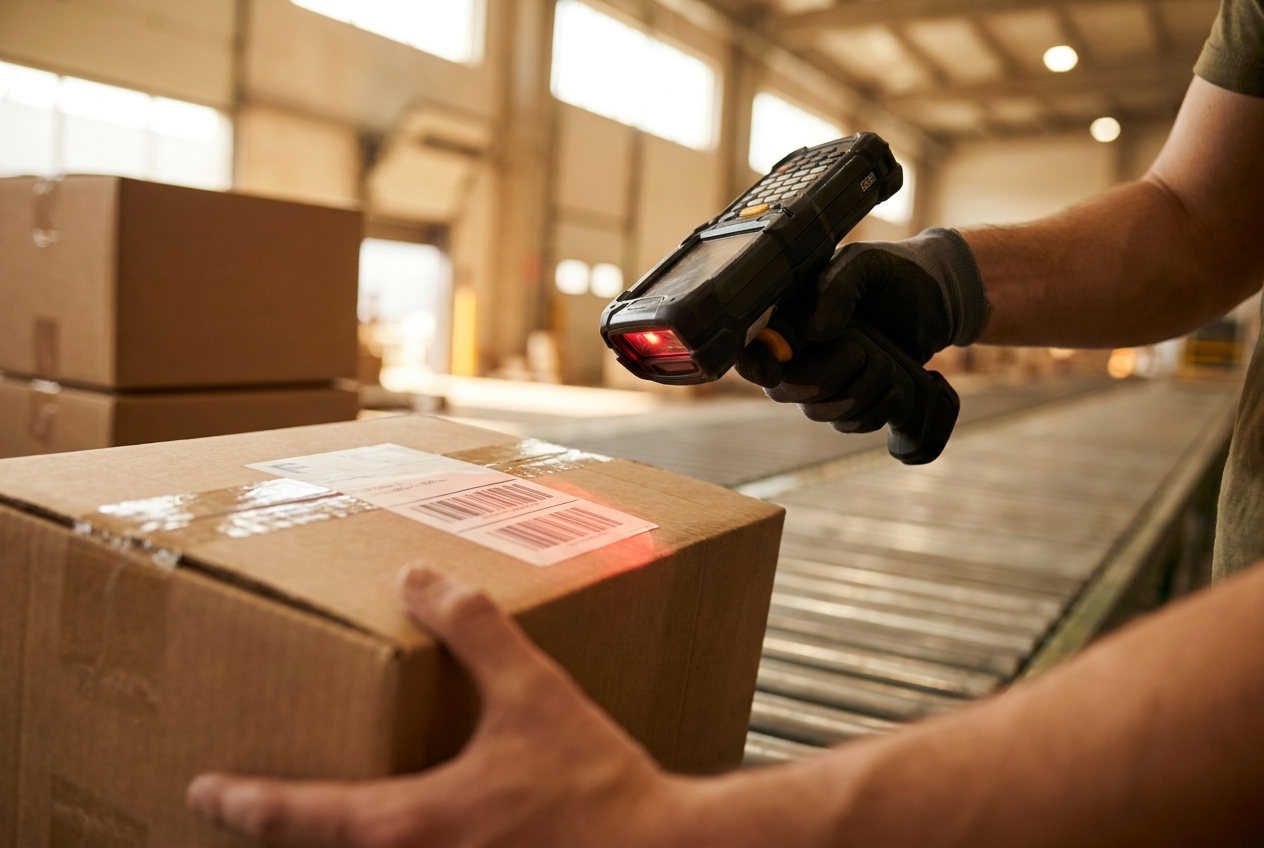
The packed order is labeled and handed off to a carrier such as USPS, UPS, FedEx, or a regional service. Because 3PLs ship high volumes, they often negotiate discounted rates and pass some savings on to you. Tracking information is sent back to your store and to the customer automatically.
6. Returns Management
Returns are part of ecommerce. Many 3PLs handle reverse logistics too, inspecting returned items, restocking sellable goods, and processing refunds or exchanges based on your rules.
Key Benefits of Using a 3PL
Outsourcing fulfillment is not just about saving time. It reshapes your entire cost and growth structure.
- Lower shipping costs. Volume discounts negotiated by the 3PL are usually hard for a single small business to match.
- Faster delivery. Providers with multiple warehouses can position inventory closer to customers, cutting transit times and cost zones.
- Scalability. During peak seasons you do not need to hire temporary staff or lease more space. The 3PL absorbs the surge.
- Focus. Your team spends energy on product development and customer acquisition instead of taping boxes.
- Technology. You gain access to inventory dashboards, analytics, and integrations without building them yourself.
For a deeper look at how a managed fulfillment program operates in practice, explore our fulfillment network overview and browse practical tips on the Swifty 3PL blog.
Signs It Is Time to Outsource Fulfillment
Not every business needs a 3PL on day one. Consider making the switch when you notice these signals:
- You are spending more time packing orders than growing the business.
- Shipping errors and late deliveries are increasing.
- You have run out of storage space at home or in a small unit.
- Seasonal spikes overwhelm your current setup.
- You want to offer faster shipping to compete with larger sellers.
- Expanding to new regions or marketplaces feels logistically impossible.
If several of these ring true, the cost of a 3PL is often lower than the hidden cost of doing it all yourself.
How to Choose the Right 3PL Partner
Not all providers are equal. When evaluating options, look closely at a few factors. First, check integrations to confirm the 3PL connects smoothly with your ecommerce platform and marketplaces. Second, review warehouse locations, since geographic coverage directly affects delivery speed and cost. Third, understand the pricing model, including receiving, storage, pick and pack, and shipping fees, so there are no surprises. Finally, ask about accuracy rates, support responsiveness, and how the provider handles peak volume. A transparent partner will share this information openly.
Common 3PL Pricing Components
Most 3PLs use a modular pricing structure. Typical charges include a receiving fee for logging incoming inventory, a monthly storage fee based on space used, a pick and pack fee per order or per item, and the actual shipping cost per package. Some providers add fees for kitting, returns, or special projects. Understanding each line item helps you forecast costs accurately and compare quotes fairly.
Frequently Asked Questions
What is the difference between a 3PL and a warehouse? A plain warehouse only stores goods. A 3PL stores your inventory and also picks, packs, ships, and often manages returns, along with the technology to coordinate it all.
How much does 3PL fulfillment cost? Costs vary by order volume, product size, and services used. Expect a mix of receiving, storage, pick and pack, and shipping fees. Many small brands find it cheaper than running their own operation once time and error costs are counted.
Can a 3PL integrate with my online store? Yes. Most modern 3PLs connect directly to major ecommerce platforms and marketplaces so orders flow in automatically and tracking flows back to customers.
Do I lose control of my brand with a 3PL? No. You remain the seller and can specify packaging, inserts, and shipping rules. The 3PL executes your standards behind the scenes.
How long does it take to onboard with a 3PL? Onboarding usually takes a few days to a few weeks, depending on catalog size and integration complexity. It includes connecting your store, shipping inventory, and testing sample orders.
Conclusion
3PL fulfillment turns a complex, labor-intensive part of ecommerce into a managed service. By handing off warehousing, picking, packing, and shipping to a specialized partner, you gain lower shipping costs, faster delivery, and the freedom to grow without logistical bottlenecks. If order fulfillment is starting to slow you down, a reliable third-party logistics provider may be the upgrade your business needs to reach the next stage.